
Explain the material.
Connect production requirements.
Organize material, application and specification data for B2B content. Help buyers describe requirements before sampling or ordering.
Packaging manufacturers · material suppliers · processing companies
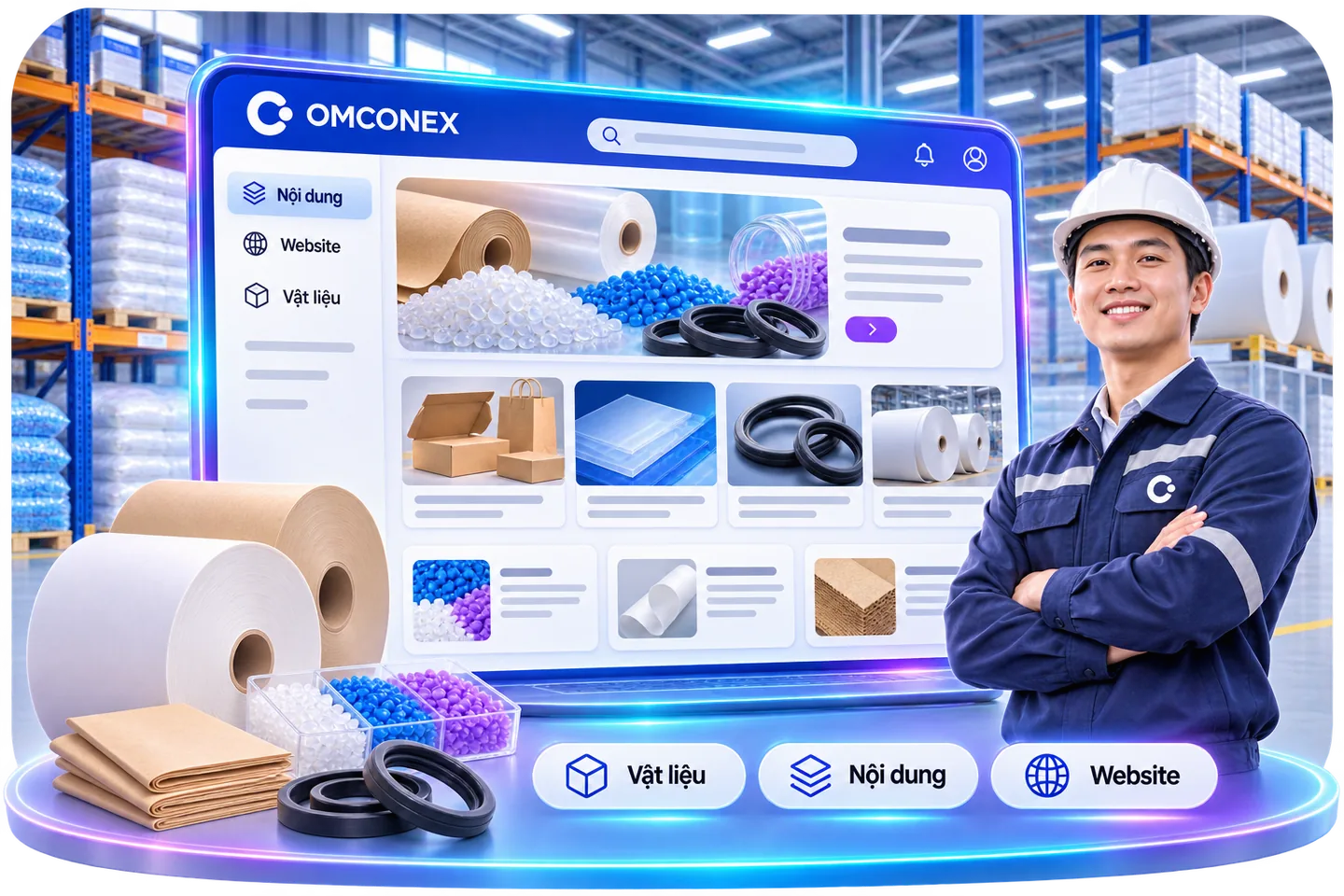
Start with practical questions.
Request material samples, a catalogue or a production quotation.
- 01
Selecting materials for the application and environment
An explainer that helps readers understand their needs and relevant criteria.
- 02
Explaining thickness, grammage and packaging formats
A guide or comparison grounded in your business references.
- 03
Preparing samples, dimensions and B2B requirements
FAQs and practical guidance that prepare readers for the next conversation.
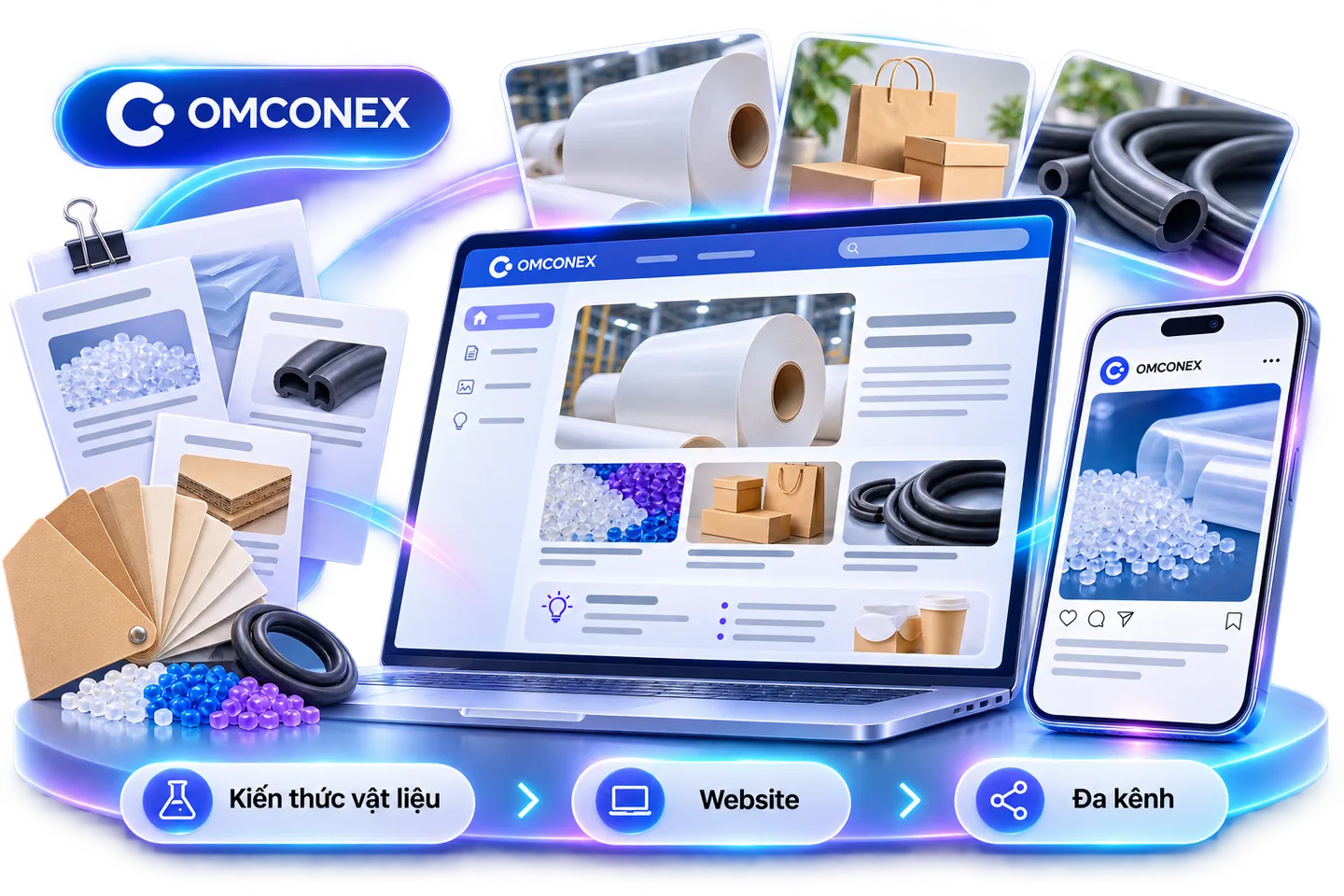
Give AI the context.
Keep expertise with your team.
Create a brand profile with clear references. Start every article with a brief, audience and specific goal.
References to prepare
- Material and grammage tables
- production specifications
- authorized test reports
30 days, clear next steps.
A starting framework. Choose article volume, budget and scheduling in your workspace.
- Week 1
Build the knowledge base
Selecting materials for the application and environmentCollect sources, verify terminology and outline a pillar article.
- Week 2
Explain the choices
Explaining thickness, grammage and packaging formatsPrepare an explainer, supporting questions and links to relevant services or categories.
- Week 3
Answer practical questions
Preparing samples, dimensions and B2B requirementsEdit FAQs, add imagery and adapt part of the content for social channels.
- Week 4
Review evidence and refresh
Review published contentReview queries and pages in GSC, select content to refresh and prepare the next plan.
Understand what your content contributes.
Define the metric, source and reporting period before comparing. These are suggested measures, not promised results.
- Material sample requests
- Count requests with an application, dimensions and required standards.
- Specification page visits
- Track the materials researched by B2B buyers.
- Search impressions and clicks
- Read Google Search Console by page group, query and comparable period.
- New and refreshed articles
- Track content delivery, source review dates and editorial changes.
Verify material properties, recyclability and certifications. Avoid food-contact safety claims without documentation.
Questions for your team.
What content can I prepare for plastics, rubber & paper?
Start with selecting materials for the application and environment; explaining thickness, grammage and packaging formats; preparing samples, dimensions and b2b requirements. Use verified sources to prepare website articles, FAQs and social versions.
What information should I provide?
Material and grammage tables; production specifications; authorized test reports. Add your preferred voice, audience and topics to avoid in the brand profile.
How should the content be reviewed?
Verify material properties, recyclability and certifications. Avoid food-contact safety claims without documentation.
Start with your own business content.
Choose a goal for plastics, rubber & paper, add brand knowledge and prepare your first plan.